
Loading...

Managing remote writing teams comes down to a few practical moves: put assignments into a brief template, name an owner for every handoff, and default to async communication. Owl Labs found that 69% of managers say hybrid and remote work improved team performance, and Atlassian's working-agreement practice shows how to make those norms explicit. Start today by publishing a brief template and a one-page working agreement.
TL;DR:
- Assign every workflow role a named backup, and ensure that person can access active files and status notes before planned leave begins.
- Require each brief to define the audience, purpose, tone, search targets, sources, and acceptance criteria, so editors can judge drafts against agreed requirements.
- Set clear stage limits: editors return notes within two business days, SEO checks take one business day, and owners explain delays the same day.
- Keep routine briefs, updates, and approvals asynchronous, but use live meetings for sensitive feedback, conflict, complex kickoffs, and brainstorming when discussion benefits from immediate exchange.
- Test the new habits for one week without adding tools or meetings, then compare milestone delivery and revision rates with those from recent weeks.
You do not need a reorg to improve how a distributed writing team runs. Work through these steps in order, and stop when your time runs out. Each one removes a common source of confusion.
Then copy these micro-templates into your team hub.
If you have limited time, write the brief template. It can help reduce rework later.
Bottlenecks usually come from unclear ownership, not slow writers. A publication team model like the one Monash University documents separates the publishing coordinator, content owner, senior signoff, writer and editor. For a small writing team, four roles cover most of the work.
Pair each role with a short service level you can actually keep. For example, the coordinator acknowledges new assignments promptly, the editor returns notes within an agreed timeframe, and the writer posts progress updates at agreed milestones. Write these into your team hub next to each role description, along with the named backup.
The rule that protects you from single-point failures is simple: no role exists without a named backup, and the backup has read access to everything the primary owns. Review the list before planned leave.
Pro Tip: Put each role's responsibilities and backup in one table in your hub, then link that table from every brief so writers never have to ask who approves what.
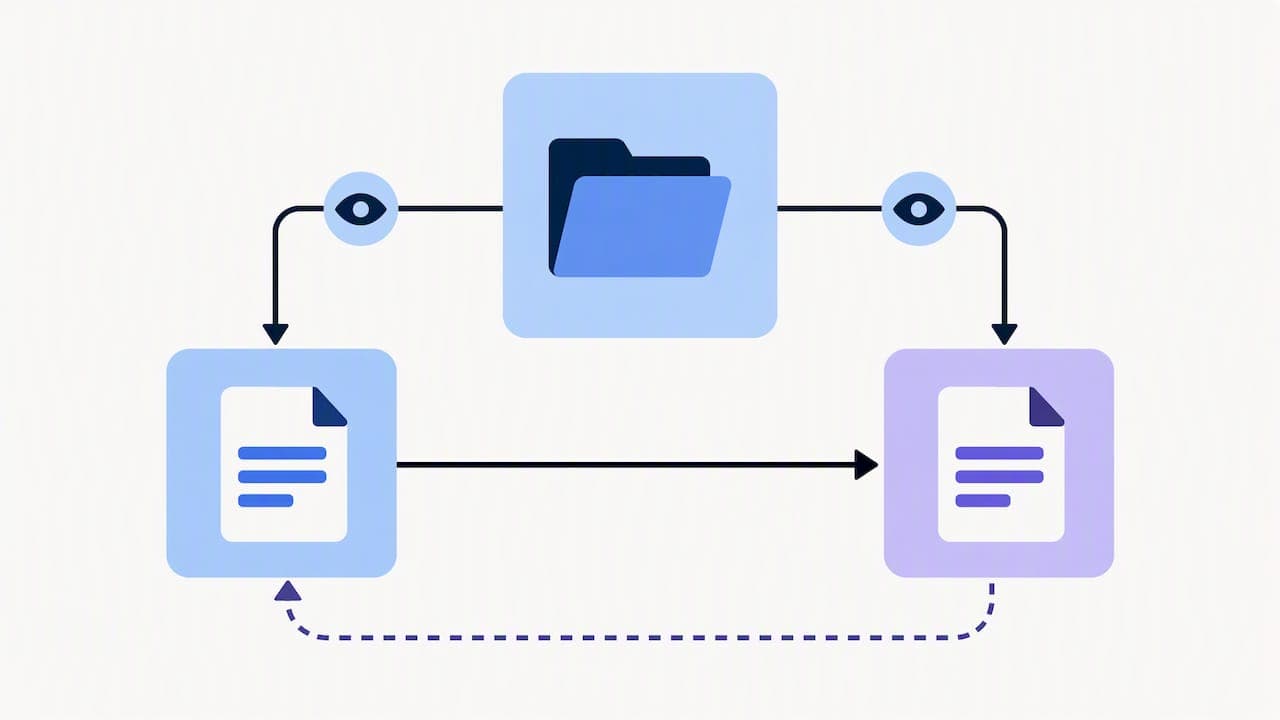
Practitioners who manage freelance writers often point to hyper-thorough briefs as the best defense against endless revisions. A brief is a contract about what "done" looks like, so every field should remove a question the writer would otherwise have to ask.
Include these fields in every brief:
If you want a deeper look at structuring content pipelines, this guide to streamlining your content creation workflow covers brief structure and editorial flow from an SEO angle. Our own article on digital marketing content tips for authentic SEO is a useful companion for the tone and authenticity fields.
A typical blog article can follow this milestone plan:
Adjust the durations to your content type, but keep every stage visible on the calendar.
Add a short async video at each handoff. A short walkthrough of the brief, or of the editor's notes, carries context that text strips out, and it replaces a meeting you would otherwise have scheduled.
Default to async, and reserve live time for what really needs it. Live meetings fit sensitive feedback, conflict, kickoffs for complex pieces and brainstorming. Async fits status updates, briefs, routine feedback and approvals. Owl Labs data and Atlassian guidance both point to explicit working agreements as the way to cut meeting fatigue.
A working agreements workshop can produce the first draft. Run it like this:
For timezones, name core overlap hours and keep them short. Publish each writer's availability in the hub, and treat calendar-blocked focus time as protected. If you want a creative exercise for the kickoff, our piece on timed brainstorming exercises offers ideas that fit short sessions.
Pro Tip: Write the "when in doubt" rule into the agreement itself: if a message does not need an answer today, it goes in the async channel.
Treat deadlines as a chain, not a single date. Convert your milestone plan into calendar events so every handoff has a visible slot. Longer pieces such as reports and case studies need more lead time than short blog posts, and a feature with interviews needs more than either.
Respect focus time. employees reported using calendar blocking to protect time for focused work, and this calendar blocking research suggests remote workers benefit just as much as office workers. As a manager, that means you do not book over a writer's blocks without asking.
Use simple service levels at each stage:
When a service level repeatedly slips on the same piece, look at the brief and the workload before blaming the person. Slippage is usually a signal about scope or ownership.
Move from reviewing everything to defining "good" in advance. A practical style guide covers voice, tone, formatting, must-include checks for SEO and citations, and a few before-and-after examples. Our article on content compliance standards and SEO supports the compliance side of that checklist.
Build an efficient review cycle with these habits:
Track revision rate, the share of pieces that need more than one round after the first edit. When it climbs, look for the root cause: a vague brief, a missing style rule, or an overloaded editor. Fix the cause in the template, not in the next draft.
For scale, replace blanket review with spot-sample audits. Pull recent pieces per writer, score them against the checklist and share patterns with the whole team instead of singling anyone out. For more on keeping content human and credible, see our guide to content authenticity for marketers.
Pro Tip: Keep your review checklist concise. Longer lists get skimmed, and skimmed checklists catch nothing.
Production keeps moving when every absence follows the same pattern. Atlassian's out-of-office guide describes pairing a Confluence page with a short Loom video and linking the notes to Jira issues so work continues across time zones. Adapt that to your editorial tools:
Connect the notes to your editorial calendar and tickets so nobody has to hunt for them. Before approving leave, a manager should check that the bundle exists, the backup has capacity and any deadline in the window is either covered or moved. If a backup is overloaded, reassign the task before the absence starts, not after a deadline is missed.
Hidden rework often starts with a writer who guessed instead of asking. Google's team effectiveness research identifies psychological safety and structure and clarity as major drivers of team performance. Safety is built by what managers do, not by what they announce.
Model the behavior you want. Google's guidance on being a transparent learner means admitting what you do not know and showing how you will find out together. Gallup makes a similar point about manager quality mattering more than location.
Low-cost rituals help:
Measure progress by watching how often writers ask clarifying questions before drafting and whether revision rate falls over time.
Pick a handful of numbers and read them on a fixed rhythm. Too many metrics become noise.
Check on-time delivery and reviewer load regularly, and review the rest on a consistent schedule. Then tie each signal to an action. A high revision rate means tightening brief fields and running spot audits. Long time to publish means looking for the stage where pieces wait. Rising reviewer load means adding a second editor or trimming scope.
Google's Project Oxygen research found that managers who coach and empower their teams drive better results, so pair the numbers with a conversation, not a scoreboard.
Pro Tip: Show the same dashboard to the whole team. Metrics that only managers see feel like surveillance.
Tools matter less than having one place where everything lives. Aim for these categories:
Store these templates centrally: the brief, the review checklist and the OOO handoff. Link each one from the relevant ticket so writers never search for it. Embed Loom videos directly in tickets, and automate status updates so the hub reflects reality without extra typing. If you also coordinate campaigns and approvals around your content, a marketing operations platform such as OppRise shows how approval workflows and creative collaboration can sit in one place.
Here is how I would test all of this without a big rollout. For a trial period, publish your working agreement, require the brief template for every new assignment, ask for a short Loom at every handoff and honor writers' focus blocks without exception. Do not add new tools or new meetings. At the end of the trial, check on-time delivery and revision rate. Compare them with your last few weeks, note which friction points the team reported and change one thing. A short trial will not prove the system, but it can show which habits your team resists and which it adopts. Then repeat the trial with one adjustment and let the data decide what stays.
— Tilen
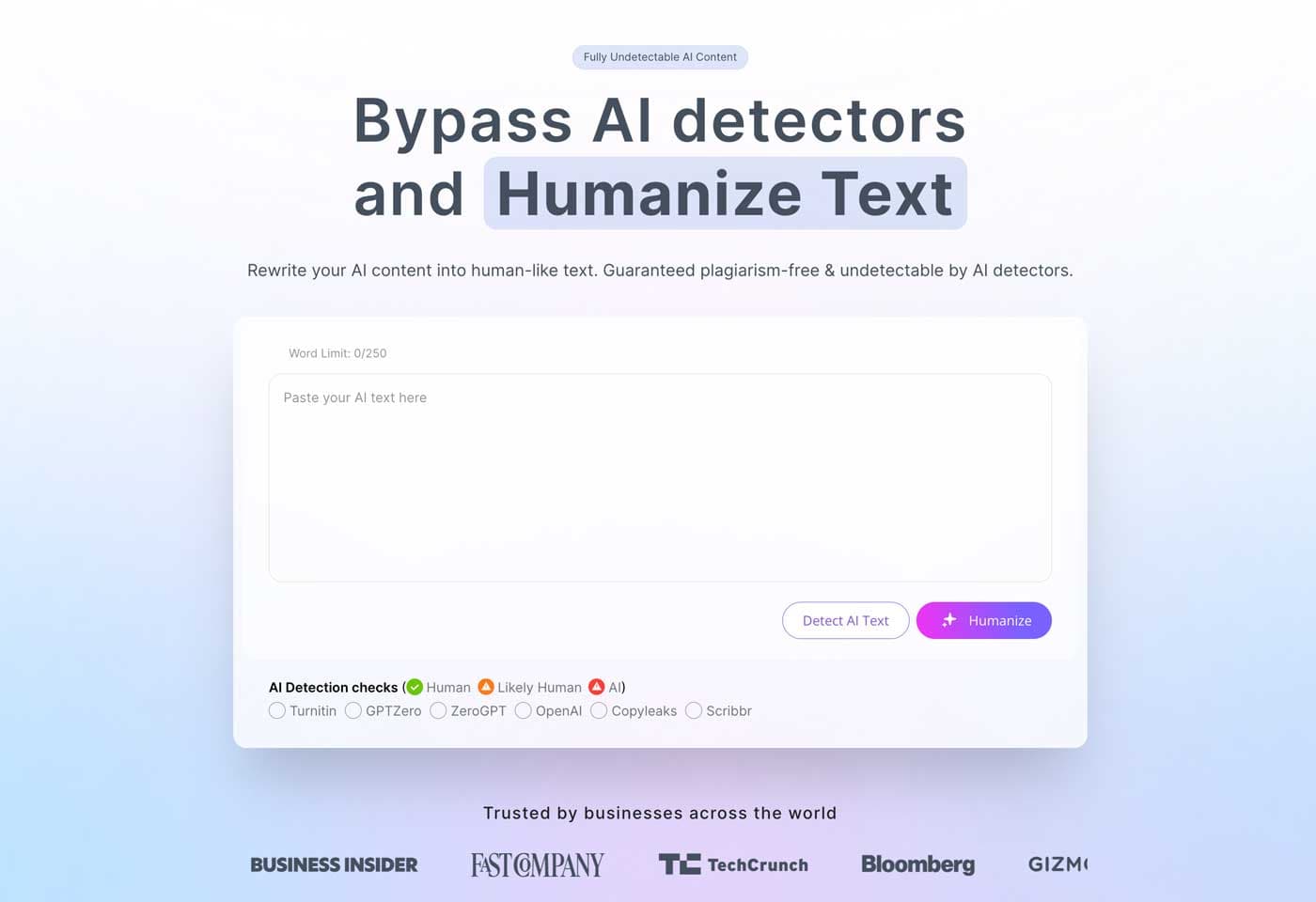
If your writers use AI for first drafts, there is a step between the draft and the editor where a tool can save real time. We built Semihuman to rewrite AI drafts so they read as naturally written. It sits after the AI draft and before the editor pass, and it never replaces editorial review. Our article on balancing automation and creativity covers that division of labor in more depth.
We offer Free, Basic and Pro plans for individuals and small teams on our upgrade page, plus Developer, Business and Enterprise options with an API for automated pipelines on our API access page. Current pricing details are on those pages.
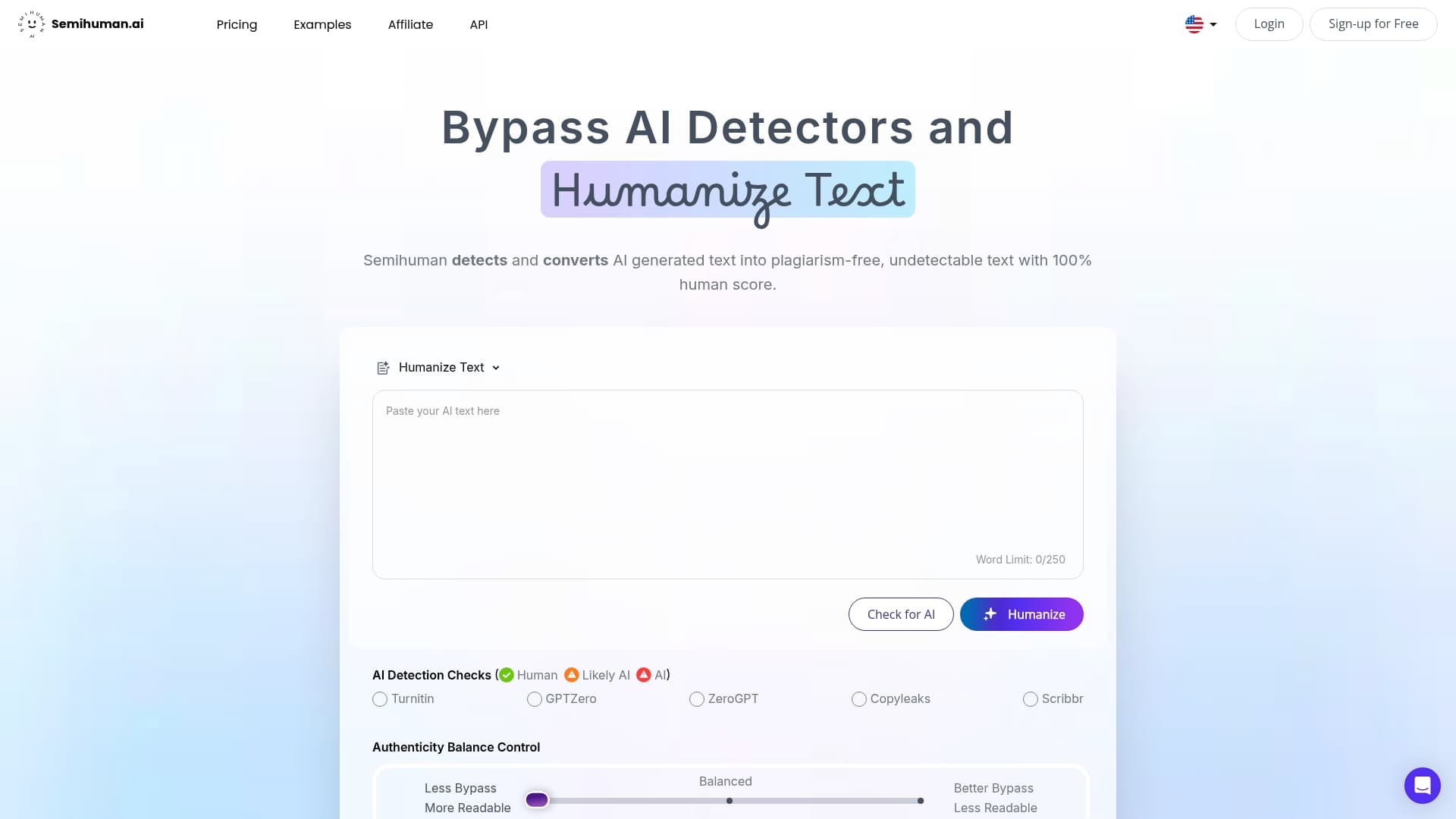
Pick the plan that matches your volume and try it on one real draft this week.
Systemize the work: one brief template, named owners for each stage and async-first communication. Pair that with a written working agreement so expectations are explicit. Google's research points to structure, clarity and psychological safety as key drivers of team performance.
The most common are unclear briefs, hidden bottlenecks, timezone gaps and micromanagement. Practitioners note that micromanaging is a frequent failure mode, and the fix is documented outcomes rather than closer supervision. Clear acceptance criteria and a named backup for every role address most of these.
Define quality before drafting: a short style guide, acceptance criteria in every brief and a review checklist. Then audit a small sample of pieces each month instead of re-reading everything. Track revision rate and fix the template whenever it rises.
Default to async for briefs, status updates and routine feedback, and meet live for sensitive feedback and complex kickoffs. Atlassian's working agreements play recommends documenting channels, escalation paths and collaboration windows, then revisiting them regularly.



Start
Humanizing
for Free!
Humanize